

One of the first things visitors notice about a Florida home or business is the ground they step on. Usually, that’s a driveway, walkway, patio or pool deck. Stamped concrete and interlocking pavers are the two finishes most owners consider for their walkways and layouts, but they do behave differently once Florida’s heat, rain, and salt air hit them. Here are the major differences between both so you can choose the surface that will look good, hold up, and stay within budget for your next project.
1. Appearance and Design Freedom.
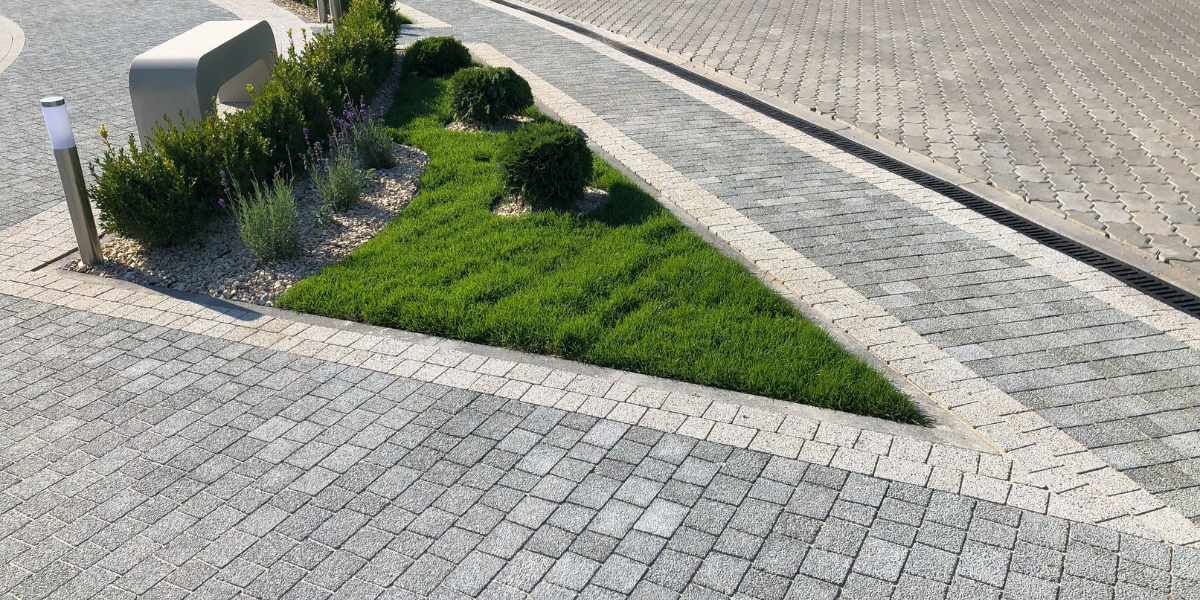
A stamped-concrete slab is poured all at once, then textured and colored before it cures. The result is a broad, seamless “canvas” that can imitate stone or tile without showing true joints. Interlocking pavers are individual bricks or blocks laid side by side, like Lego blocks. That modular format lets you mix colors, create borders, or lay herringbone patterns. Stamped concrete can only do this with surface impressions.
2. Installation Pace.
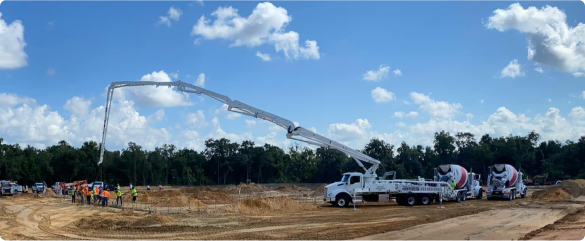
Stamped concrete is pretty quick. On most residential jobs, the slab is placed in a day and light foot traffic is possible after two or three more. Pavers require excavation, a compacted stone base, bedding sand, and hand placement of every unit. Expect a few extra days for pavers, especially on wider drives or places where layout lines matter more.
3. Day-to-Day Durability.
Florida’s afternoon thunderstorms and shifting soils test all hardscape. A reinforced concrete slab resists settling, but can develop random cracks if control joints are skipped or the sub-base is poorly compacted. Repairs mean saw-cutting and patching, and hardly ever a perfect color match. Pavers on the other hand flex with minor movement, and if roots lift a corner or a heavy delivery truck creates ruts in the sand bed, you simply pull the affected units, re-level, and relay. Both finishes need a breathable sealer every few years to discourage mildew and fading, but pavers make spot fixes easier.
4. Up-Front and Life-Cycle Cost.
Stamped concrete usually starts a few dollars per square foot cheaper than mid-grade pavers. Over time, however, the math can flip. Cracked slab panels or worn coloring may demand larger, more disruptive fixes than individual paver replacement. Owners planning to stay put for a decade or more often accept the higher initial paver price to keep long-term maintenance predictable.
5. Where Each Option Excels.
Stamped concrete is great for projects when the goal is a broad, seamless surface installed fast. For example, a driveway with sweeping curves or a large patio. Pavers are the better choice around pools (they stay cooler under bare feet), in courtyards that need design character, or in any area where future utility work may require digging. It is far easier to lift a few pavers than to demo concrete.
Bottom line: choose stamped concrete for speed and a continuous look, choose pavers for design flexibility, easy repairs, and resilience. Either way, insist on a well-compacted base, proper drainage, and a quality sealer. Florida’s climate will expose concrete and masonry shortcuts in just a single season.
One Call Away for Expert Masonry Repair
Still torn between pavers and stamped concrete? Our estimating team is one call away to review your project details and deliver a side-by-side cost breakdown! 352-860-0560